
Introduction
Your vagina can sometimes let you know when something is not quite right; maybe by producing more discharge than usual, itching, or a smell that wasn’t there before. And naturally, one of the first things that may come to mind is, “Is this an infection?”
For many women, the first thought may even be an STI, especially when the change happens after sex. But not every case of vaginal irritation or unusual discharge is caused by a sexually transmitted infection. Sometimes, the culprit is something much more common: a yeast infection or bacterial vaginosis (BV).
In fact, yeast infections and BV are two of the most common vaginal conditions women experience. They can both cause changes in your discharge and may leave you feeling uncomfortable, but they happen for different reasons and need different treatments.
So, how do you know if what you’re experiencing is a yeast infection or BV? Is that thick white discharge a yeast infection? Does a fishy smell always mean BV? And when should you actually see a doctor?
In This Article, We’ll Discuss:
- Causes of a Yeast Infection
- What Increases the Chances of Getting a Yeast Infection
- Causes of Bacterial Vaginosis
- What Increases the Chances of Getting BV
- Frequently Asked Questions
What Causes a Yeast Infection?
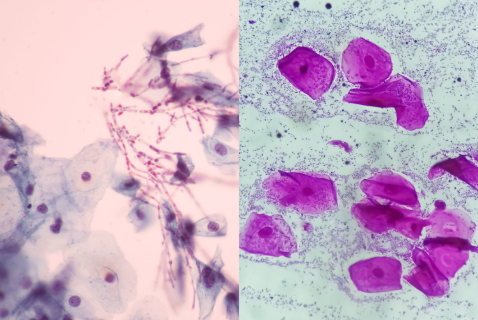
A yeast infection happens when a type of fungus called ‘Candida’, which normally lives in small amounts in the vagina, grows too much. Your vagina naturally has a balance of different bacteria and microorganisms that keep each other in check. When that balance is disrupted, Candida can multiply and cause symptoms such as itching, irritation, soreness, and thick, white discharge.
Having a yeast infection does not mean that you are dirty or that you have an STI. There are several things that can make you more likely to develop one.
What Can Increase Your Chances of Getting a Yeast Infection?
Taking antibiotics
Antibiotics are useful for treating bacterial infections, but they can also reduce some of the healthy bacteria that normally keep Candida under control. This is why some women notice yeast infection symptoms after taking antibiotics.
Pregnancy and hormonal changes
Changes in your hormones can affect the balance in your vagina. This is one reason yeast infections can be more common during pregnancy or around certain hormonal changes.
Having poorly controlled diabetes
High blood sugar can make it easier for Candida to grow, so women with poorly controlled diabetes may be more likely to have yeast infections.
Having a weakened immune system
Your immune system helps keep infections and microorganisms in check. Conditions or medications that weaken the immune system can increase your risk of developing a yeast infection.
Wearing tight or non-breathable clothing
Your vagina does not need to be kept completely dry, but wearing very tight clothing for long periods can trap heat and moisture around the genital area. This may create an environment where yeast can grow more easily.
Staying in wet clothes for too long
It is always a good idea to change into dry clothes when you can. Staying in damp clothing for long periods can leave the genital area warm and moist.
Using scented products around the vagina
That nice-smelling feminine wash may seem like a good idea for keeping the area “fresh,” but scented products can irritate the vulva and may disrupt the natural vaginal environment.
Your vagina does not need perfumes or special products to stay clean. Gently washing the outside with water and a mild, unscented product is enough.
What Causes Bacterial Vaginosis?
Bacterial vaginosis, or BV, happens when the normal balance of bacteria in the vagina is disrupted. Your vagina naturally has different types of bacteria living in it. Some are helpful and help keep the vaginal environment balanced. When the balance changes and certain bacteria grow too much, BV can develop.
You may have heard that you need to wash more or clean inside your vagina to prevent “infection.” But your vagina does not need to be scrubbed or perfumed to be healthy, as that can disturb its natural balance and may increase your risk of BV.
What Can Increase Your Chances of Getting BV?
Douching
Douching means washing or cleaning inside the vagina with water, soap, antiseptics, or other products. It may seem like a good way to stay extra clean, but it can actually disturb the natural balance of bacteria in the vagina.
The vagina is self-cleaning, so you do not need to wash inside it.
Having a new or multiple sexual partners
BV is not an STI, but sexual activity can affect the balance of bacteria in the vagina. Having a new sexual partner or multiple partners has been associated with a higher risk of BV.
This does not mean that having BV is proof that your partner gave you an infection or that someone has been unfaithful. BV can happen for several reasons, and it is not considered an STI.
Sex without condoms
Not using condoms has also been associated with a higher risk of BV. This may be linked to changes in the vaginal environment during sex rather than BV being directly transmitted like an STI.
It is also worth remembering that condoms still matter because they can help reduce your risk of actual STIs.
Changes in the vaginal environment
Your vaginal environment can change for different reasons, including changes in your menstrual cycle, sexual activity, and the use of certain products. When the usual balance of bacteria is disturbed, BV can develop.
Having had BV before
If you’ve had BV in the past, you may be more likely to get it again. So, if those familiar symptoms, such as a fishy smell, keep coming back, it is better to speak with a doctor instead of repeatedly treating yourself without knowing what is causing them.
Frequently Asked Questions
Can Contraceptives Cause BV or Yeast Infections?
Contraceptivesdo not automatically cause a yeast infection or bacterial vaginosis (BV). However, the hormonal changes triggered by the pill can sometimes affect the vaginal environment, and some women may notice changes in their vaginal symptoms after starting or changing a contraceptive method.
If you’ve taken contraceptives like Postinor-2 or Postpill and notice a change in your discharge, don’t immediately assume you have a yeast infection or BV. Emergency contraception can temporarily affect your menstrual cycle, so some changes may be related to the hormonal changes from the pill.
But if you have persistent itching, burning, unusual discharge, and a strong smell or irritation, it is worth getting checked rather than assuming it is just a side effect of the pill. These symptoms can have several causes, and the right treatment depends on what is actually causing them.
Also, remember that emergency contraceptive pills help prevent pregnancy after unprotected sex, but they do not protect you from STIs.
Can I Get a Yeast Infection from Using a Public Toilet?
It is very unlikely.
Yeast infections are caused by an overgrowth of Candida, a fungus that normally lives in the body. You don’t usually get a vaginal yeast infection from simply sitting on a public toilet seat.
So, if you’ve used a public toilet and later notice itching or unusual discharge, don’t automatically blame the toilet. There are many other factors that can contribute to a yeast infection.
How Do I Get Rid of a Yeast Infection and Stop the Itching?
The best way to get rid of a yeast infection is to treat the yeast overgrowth with the appropriate antifungal medicine. The itching should improve as the infection clears.
In the meantime, try not to scratch the area, as this can cause more irritation and even small breaks in the skin. Keep the area dry, wear loose and breathable underwear, and avoid scented soaps, vaginal washes, sprays, or other products that could make the irritation worse.
It is also important not to assume that every case of vaginal itching is a yeast infection. BV, some STIs, skin conditions, and other vaginal problems can cause similar symptoms but require different treatments.
From the Desk of Koyo Doctors
If you notice something different in your discharge, maybe you’re suddenly itching down there or there’s a smell that wasn’t there before, don’t panic and don’t assume it must be an STI.
Yeast infections and BV are very common, and there are several reasons they can happen. Sometimes the symptoms even look alike. So, buying a random drug from the pharmacy or using a vaginal wash because someone recommended it may not solve the actual problem.
Speak to a doctor when something doesn’t feel right in your body. You also don’t have to feel shy about talking about vaginal health; these are things doctors hear about all the time.
Not sure what’s causing your symptoms? Chat with a Koyo doctor online for advice on what to do next.