Why Am I Sweating So Much? Causes and How to Manage It

Why Am I Sweating So Much? Causes and How to Manage It


Welcome to Koyo’s series of trusted healthcare articles. If you need more personalised advice, you can chat with a Koyo doctor today.


Written by: Favour Francis | Reviewed by: Dr Ortega Ogomigo

Introduction

You step into an important meeting, and before it even begins, sweat stains have already started showing on your shirt. You keep wiping your face while everyone else seems perfectly comfortable, and your palms are so sweaty that you hesitate to shake hands or hold someone’s phone.

For many people in Nigeria, sweating is just part of daily life. The weather is often hot, and spending time outdoors can leave anyone feeling sweaty. But when you find yourself sweating much more than the people around you, or you’re sweating heavily even while sitting in an air-conditioned room or doing very little, it’s natural to wonder if something else is going on.

Excessive sweating can be frustrating and embarrassing. It can affect what you wear, how confident you feel, and even how you interact with other people. Doctors call this condition hyperhidrosis, and while it may seem like something you have to live with, there are practical ways to manage it.

In this article, we’ll explain

  • What causes excessive sweating
  • Ways to manage excessive sweating
  • Frequently asked question

What Causes Excessive Sweating?

There isn’t just one reason why someone sweats more than usual. Sometimes, your body is simply responding to its environment. Other times, excessive sweating can be linked to your health, emotions, or even certain medications. Understanding the cause is the first step to knowing how to manage it.

1. Hot Weather and Humidity

This is the most common reason people sweat in Nigeria. On a sunny afternoon, after spending time in traffic, or during a power outage with no fan or air conditioner, your body naturally produces sweat to cool itself down. If you notice that your sweating mostly happens in hot environments and reduces once you cool off, it’s usually a normal response.

2. Physical Activity

Whether you’re jogging, playing football with friends, climbing several flights of stairs, or doing house chores, sweating during exercise or physical activity is completely normal. It’s one of the ways your body regulates its temperature and prevents overheating. The harder your body works, the more you can expect to sweat.

3. Stress, Anxiety, or Nervousness

Have you ever noticed your palms getting sweaty before a job interview or your forehead becoming damp while giving a presentation? Emotional stress can trigger sweating just as much as physical heat.

You may sweat more when you’re:

  • Attending a job interview
  • Writing an important exam
  • Speaking in front of a crowd
  • Preparing for your wedding or another big event
  • Feeling anxious or under pressure

This type of sweating often affects the palms, soles of the feet, face, or underarms.

4. Hormonal Changes

Changes in your hormone levels can also make you sweat more than usual. This may happen during:

  • Pregnancy
  • Menopause
  • An overactive thyroid (hyperthyroidism)

In these situations, sweating is often accompanied by other symptoms, depending on the underlying cause.

5. Certain Medical Conditions

Sometimes, excessive sweating can be a sign of an underlying health condition. Some examples include:

  • Diabetes
  • Low blood sugar
  • Infections
  • Fever
  • Obesity
  • An overactive thyroid

Treating the underlying condition often helps reduce the excessive sweating.

6. Certain Medications

Some medications can have increased sweating as a side effect. This doesn’t happen to everyone, but if you recently started a new medication and noticed you’re sweating more than usual, it’s worth mentioning it to your healthcare provider. Don’t stop taking prescribed medication without medical advice, even if you suspect it’s causing the sweating.

7. Hyperhidrosis

Sometimes, excessive sweating isn’t caused by the weather, exercise, or another illness. Instead, it’s a medical condition known as hyperhidrosis.

There are two main types:

Primary hyperhidrosis happens on its own and isn’t caused by another medical condition. It often affects specific areas like the underarms, hands, feet, or face, and may run in families.

Secondary hyperhidrosis happens because of another health condition or as a side effect of certain medications. Unlike primary hyperhidrosis, it may affect larger areas of the body and can even occur while you’re asleep.

If your sweating seems excessive, happens for no obvious reason, or is beginning to affect your daily life, it’s a good idea to speak with a healthcare professional. They can help identify the cause and recommend the most appropriate treatment.

How Can I Manage Excessive Sweating?

If you sweat more than usual, the goal isn’t to stop sweating completely. Sweating is your body’s natural way of cooling itself down. Instead, the aim is to reduce excessive sweating and stay comfortable.

Here are some practical tips that can help.

Wear Breathable Clothing

What you wear can make a big difference. Lightweight, breathable fabrics like cotton allow air to circulate and help sweat evaporate more easily. Moisture-wicking fabrics are also a good option, especially if you’re exercising or spending a lot of time outdoors. If possible, avoid heavy or non-breathable synthetic fabrics, as they tend to trap heat and sweat against your skin.

Stay Hydrated

When you sweat, your body loses water. Drinking enough fluids throughout the day helps replace what you’ve lost and supports your body’s natural cooling system. Keep a bottle of water with you, especially if you’ll be outdoors or spending long hours in the heat.

Use an Antiperspirant, Not Just a Deodorant

Many people use these terms interchangeably, but they’re not the same.

A deodorant helps control body odour by reducing the bacteria that cause unpleasant smells. An antiperspirant, on the other hand, is designed to reduce the amount of sweat your body produces. If excessive underarm sweating is your main concern, choosing an antiperspirant may be more helpful. For best results, apply it to clean, dry skin, preferably at night before going to bed.

Shower Regularly

Sweat itself doesn’t usually smell. Body odour develops when sweat mixes with bacteria on your skin. Taking regular showers helps wash away sweat and bacteria, leaving you feeling fresher and reducing body odour.

Identify What Triggers Your Sweating

Not everyone sweats for the same reasons. Paying attention to when your sweating gets worse can help you manage it better.

Common triggers include:

  • Spicy foods
  • Alcohol
  • Caffeinated drinks like coffee or energy drinks
  • Stress and anxiety
  • Hot or humid environments

If you notice a pattern, make small adjustments to help reduce how much you sweat.

Keep Cool Whenever You Can

You can’t change Nigeria’s weather, but you can take simple steps to stay cooler throughout the day.

Whenever possible:

  • Stay in the shade when outdoors.
  • Use a fan or air conditioner if available.
  • Wear loose-fitting clothes instead of tight ones.
  • Avoid spending long periods in direct sunlight during the hottest part of the day.

Manage Stress

If your sweating tends to happen when you’re nervous or anxious, finding healthy ways to manage stress may help. Practicing deep breathing before a presentation, getting enough sleep, and staying physically active can all help your body respond calmly to stressful situations.

Change Your Socks if Your Feet Sweat a Lot

Sweaty feet can lead to unpleasant odours and increase your risk of fungal infections. If your feet sweat heavily, change into a fresh pair of socks during the day if needed.

Keep a Handkerchief or Small Towel Nearby

Sometimes, simple solutions are the most practical. Carrying a clean handkerchief or small towel makes it easier to wipe away sweat from your face, neck, or hands. It’s a small habit that can help you stay more comfortable throughout the day.

Consider Underarm Sweat Pads

If underarm sweating regularly leaves visible sweat stains on your clothes, sweat pads can help absorb moisture before it reaches your shirt or dress. They can be especially useful for work or any situation where you’d like a little extra confidence.

Frequently Asked Questions

Can excessive sweating go away on its own?

It depends on the cause. If your sweating is triggered by temporary factors such as hot weather, exercise, or stress, it may improve once those triggers are gone. However, if you’ve been sweating excessively for a long time or it happens for no obvious reason, it’s best to speak with a doctor to determine the cause.

Why do my hands and feet sweat so much?

Sweaty hands and feet are often linked to primary hyperhidrosis, a condition where certain parts of the body produce more sweat than needed. Stress, anxiety, and warm temperatures can also make the sweating worse.

Is excessive sweating hereditary?

Yes, it can be. Primary hyperhidrosis often runs in families, so you’re more likely to experience it if one or both of your parents also sweat excessively.

Which doctor should I see for excessive sweating?

You can start by seeing a general practitioner or family doctor. They can assess your symptoms, identify any underlying cause, and refer you to a specialist such as a dermatologist or endocrinologist if further evaluation or treatment is needed.

Is surgery the only permanent treatment for excessive sweating?

No. Surgery is usually considered only when other treatments haven’t worked, and the sweating is severe. Many people are able to manage excessive sweating with prescription antiperspirants, medications, or other non-surgical treatments recommended by their doctor.

Does excessive sweating always mean I have a serious health problem?

No. In many cases, excessive sweating isn’t caused by a serious illness. It may be related to factors such as genetics, stress, hot weather, or hormonal changes. However, if it starts suddenly, becomes much worse, or occurs alongside symptoms like fever, weight loss, chest pain, or difficulty breathing, you should seek medical attention promptly.

From the Desk of Koyo Doctors

Living with hyperhidrosis can be frustrating, but it doesn’t have to stop you from going about your day with confidence. At Koyo Health, we’re here to make it easier to get trusted medical advice whenever you need it.

If you’re concerned about excessive sweating or have questions about your symptoms, don’t hesitate to speak with a Koyo doctor. Getting the right answers is always the first step toward feeling more comfortable and confident.

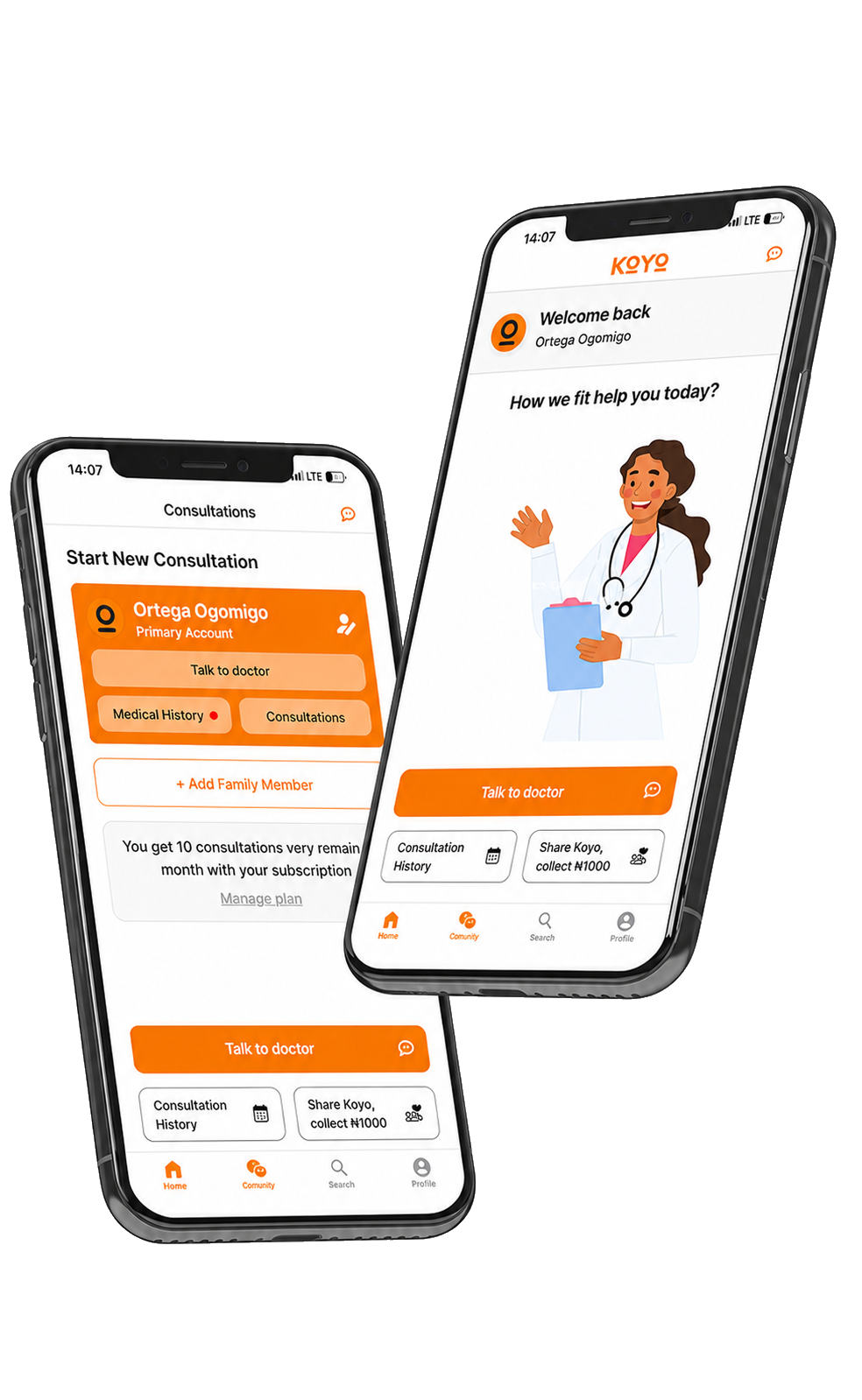
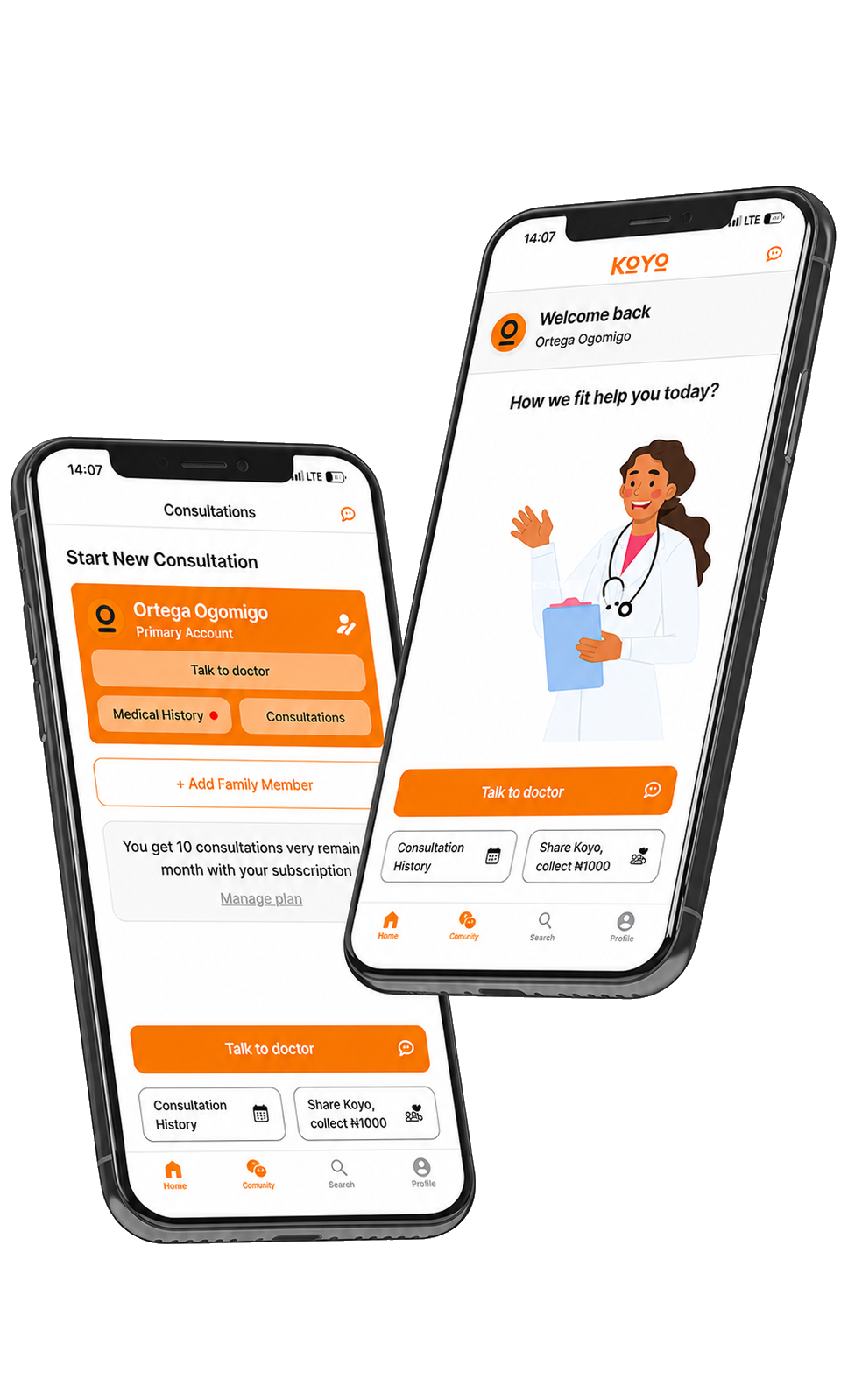
Healthcare at Your Fingertips

No need to ask friends or family when something feels wrong. One click connects you to a licensed doctor.