Introduction
A bright smile can make you feel more confident, but keeping your teeth white isn’t always as simple as brushing twice a day. Over time, certain foods, habits, or the natural ageing process can cause your teeth to look yellow or develop stains.
If you’ve been searching for how to whiten your teeth naturally, you may have come across remedies involving home ingredients. But do these methods actually work, and are they safe for your teeth?
In this article, we’ll look at:
- Safe Ways to Whiten Teeth Naturally
- Frequently Asked Questions About Natural Teeth Whitening
Safe Ways to Whiten Teeth Naturally
If you want a brighter smile, you don’t necessarily have to start with expensive whitening treatments. A few changes to your daily oral care routine can help your teeth look cleaner and reduce stains over time.
You may have heard people recommend rubbing lemon on your teeth, brushing with charcoal, or mixing different ingredients at home to get rid of yellow teeth. But before trying any of these remedies, it’s important to know whether they are good for your teeth.
Here are a few safer ways to care for your teeth at home.
1. Brush Your Teeth Properly Twice a Day
This might sound obvious, but how you brush your teeth matters. Brushing twice a day with fluoride toothpaste helps remove plaque and surface stains caused by food and drinks.
Use a soft-bristled toothbrush and brush gently for about two minutes each time. Pay attention to the front, back, and chewing surfaces of your teeth, as well as the gumline. Brushing harder won’t make your teeth whiter faster. Instead, it can irritate your gums and wear down your enamel over time.
2. Clean Between Your Teeth Every Day
Your toothbrush cannot reach every space between your teeth. Food particles and plaque can build up in these areas, affecting your oral health and making your teeth look less clean.
Flossing once a day helps remove what your toothbrush misses. If you don’t have dental floss, interdental brushes may also help, depending on the spaces between your teeth.
3. Rinse Your Mouth with Water After Eating or Drinking
Do you enjoy coffee, tea, soft drinks, or other coloured drinks? These can contribute to tooth stains, especially when you consume them regularly.
You don’t have to give up your favourite drinks, but rinsing your mouth with water afterwards can help wash away some residue. Water is also a good choice between meals because it helps keep your mouth moist.
If you’ve had something acidic, such as a citrus drink, rinse with water and wait about 30 to 60 minutes before brushing. Brushing immediately after acid exposure can increase enamel wear.
4. Pay Attention to Foods and Habits That Cause Stains
Tea, coffee, red wine, and tobacco can stain teeth. In Nigeria, drinks such as strong tea and coffee may be part of your daily routine, while smoking can also contribute to discolouration.
You don’t have to avoid every food or drink that can stain your teeth. Being mindful of how often you consume them, drinking water afterwards, and maintaining good oral hygiene can help manage surface stains. If you smoke, quitting can also benefit your teeth, gums, and overall health.
5. Consider Whitening Toothpaste for Surface Stains
If your teeth look yellow because of surface stains, a whitening toothpaste may help. Many whitening toothpastes use mild abrasives to remove stains, while some contain ingredients that help lift or break them down.
Choose a reputable product that contains fluoride and follow the instructions on the packaging. Keep in mind that whitening toothpaste generally removes surface stains rather than changing the natural colour of your teeth.
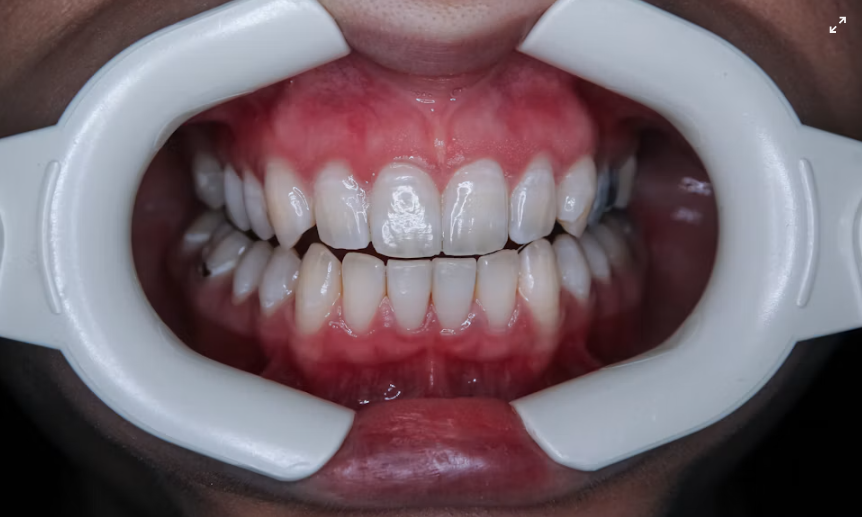
If your teeth remain yellow despite good oral hygiene, the colour may be related to factors such as genetics, ageing, or changes beneath the enamel. In that case, a dentist can help you understand your options.
Frequently Asked Questions About Natural Teeth Whitening
Can yellow teeth become white again?
Yes, depending on what is causing the discolouration. Yellowing caused by surface stains may improve with proper brushing or professional cleaning. However, teeth can also look yellow because of their natural colour, ageing, or enamel changes. A dentist can help determine the cause and recommend suitable treatment.
Does baking soda whiten teeth?
Baking soda can help remove some surface stains because of its mild abrasive properties. However, it does not bleach teeth or reliably change their natural colour. If you want to try it, consider a fluoride toothpaste formulated with baking soda rather than scrubbing your teeth with a homemade mixture.
Can lemon juice whiten teeth?
Lemon juice is not a safe teeth-whitening method. Although its acidity may make teeth appear cleaner temporarily, it can erode enamel. Enamel does not grow back, and losing it can make your teeth more sensitive and potentially more yellow.
How long does it take to whiten teeth naturally?
There is no fixed timeline because it depends on the cause of the discolouration and the method used. Good oral hygiene may gradually reduce some surface stains, but it will not necessarily change your teeth’s natural colour. If you use a whitening product, follow its instructions and allow time for the recommended results.
Does salt and toothpaste whiten teeth?
There is no good evidence that adding salt to toothpaste provides better whitening results. Salt crystals can also be abrasive, particularly when used to scrub teeth aggressively. It is safer to brush gently with fluoride toothpaste.
Can coconut oil whiten teeth?
There is insufficient reliable evidence that coconut oil whitens teeth. Although some people practise oil pulling, it should not replace brushing with fluoride toothpaste or cleaning between your teeth.
Why are my teeth yellow even though I brush every day?
Brushing helps remove plaque and surface stains, but it cannot always change the natural colour of your teeth. Yellowing may be related to genetics, ageing, thinning enamel, certain medications, or stains that need professional cleaning. If the change is sudden or affects just one tooth, see a dentist.
What is the safest way to whiten teeth at home?
Start with good oral hygiene and consider a reputable whitening toothpaste or another dental whitening product used according to its instructions. Avoid acidic remedies such as lemon juice and vinegar, as well as harsh scrubbing with charcoal or other abrasive substances. If you have sensitive teeth, gum problems, or existing dental issues, consult a dentist before using whitening products.
Can I whiten my teeth overnight?
No home remedy can safely and reliably transform the colour of your teeth overnight. Be cautious of online tips promising instant results, especially those involving acids or aggressive scrubbing, as they can damage your enamel and gums.
Key Takeaways
- Start with the basics. Brushing twice a day with fluoride toothpaste, flossing, and rinsing your mouth with water after meals can help keep your teeth clean and reduce surface stains.
- Don’t believe every home remedy you see online. Rubbing lemon, vinegar, or charcoal on your teeth might sound like an easy way to get a brighter smile, but these methods can damage your enamel.
- Be careful with baking soda. It can help remove some surface stains, but scrubbing your teeth with homemade mixtures isn’t the best idea. A toothpaste made with baking soda and fluoride is a safer option.
- Yellow teeth don’t always mean you’re not brushing well. Your natural tooth colour, ageing, and certain types of stains can all affect how white your teeth look.
- Don’t expect overnight results. If you’ve tried different remedies without seeing a change, you may need a dentist to help you understand what’s causing the discolouration and recommend a safe way to address it.