Introduction
After giving birth through a C-section, bringing your baby home is only one part of the journey. You also have your own recovery to think about.
You may still feel pain around your tummy, struggle to get out of bed or find it uncomfortable to laugh, cough or sneeze. Simple activities like bathing, changing your baby’s clothes or climbing a flight of stairs may suddenly require more effort than usual.
And while you’re adjusting to life with your newborn, you’re also healing from major abdominal surgery.
If you’ve recently had a C-section, you may be wondering how long recovery will take, how to care for your wound and when you can return to your usual activities.
In this article, we’ll explain:
- How Long It Takes to Recover From a C-Section
- What Happens to Your Body After a C-Section?
- How to Care for a C-Section Wound at Home
- Warning Signs You Shouldn’t Ignore After a C-Section
- Frequently Asked Questions About C-Section Recovery
How Long Does It Take to Recover From a C-Section?
A C-section is a major surgery, so your body needs time to heal.
Most women need around six weeks for the initial recovery, although it can take longer to feel completely comfortable and return to all their usual activities.
During this period, the incision on your abdomen begins to heal, your uterus gradually returns to its pre-pregnancy size, and your body recovers from childbirth.
You may notice that some activities become easier after the first few weeks, but this doesn’t mean you’ve fully healed.
Your recovery may also depend on whether your C-section was planned or an emergency, whether you experienced complications, and your general health.
Try not to compare your recovery with another mother’s. Some women feel much better after a few weeks, while others need more time.
What Happens to Your Body After a C-Section?
Even though your baby was delivered through surgery, your body still goes through many of the changes associated with childbirth.
Here are some things you may experience:
1. Pain around your incision
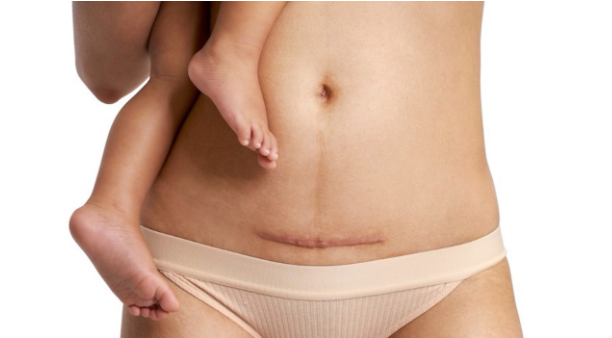
It’s normal to experience pain, tenderness, itching or a pulling sensation around your C-section wound as it heals.
You may find it uncomfortable to stand up straight, bend, cough, laugh or get out of bed during the first few days.
The pain should gradually improve. Your doctor may prescribe pain medication to help you stay comfortable during recovery.
2. Vaginal bleeding after delivery
Having a C-section doesn’t mean you’ll avoid postpartum bleeding.
You may still experience vaginal bleeding, known as lochia, as your uterus sheds the blood and tissue left behind after pregnancy.
The bleeding usually becomes lighter over several weeks. Use maternity pads and monitor the amount, colour and any unusual changes.
3. Tiredness and weakness
Between recovering from surgery, adjusting to your baby’s feeding schedule and getting very little sleep, you may feel more tired than usual.
Give yourself time to rest. You don’t have to return to your usual routine immediately, even if you feel pressure to start doing everything again.
4. Constipation and gas
You may experience bloating, trapped gas or difficulty passing stool after a C-section.
This can happen because of changes in your digestion, reduced movement after surgery and some pain medications.
Drinking enough water, eating fibre-rich foods and gradually moving around can help. If you’re struggling to pass stool, ask your doctor whether you need a stool softener.
How to Care for Your C-Section Wound at Home
Your incision needs proper care to heal without complications. Here are some things to keep in mind.
1. Keep the wound clean and dry
Follow the wound-care instructions given by your healthcare team before leaving the hospital.
When bathing, gently clean the area as instructed and pat it dry with a clean towel. Avoid rubbing the incision or applying creams, oils, powders or herbal mixtures unless your doctor recommends them.
If your wound has a dressing, follow the instructions on when and how to change or remove it.
2. Wear comfortable, loose-fitting clothes
Tight waistbands and clothing that rub against your incision can make you uncomfortable.
Choose loose dresses, soft trousers or maternity clothes that sit comfortably above or below the wound.
Cotton underwear with a high waistband may also help prevent the elastic from rubbing against the incision.
3. Avoid putting pressure on your incision
Try to avoid activities that stretch or put unnecessary pressure on your abdominal area.
When coughing, sneezing or laughing, you can gently support your tummy with a pillow or your hand.
This may help reduce discomfort while your incision heals.
4. Don’t scratch the wound
As your incision heals, you may experience itching around the area. This can be part of the healing process.
Try not to scratch, pick at scabs or pull at any surgical glue or strips. If the itching becomes severe or you notice a rash, swelling or other changes, speak to your doctor.
5. Watch for signs of infection
Check your incision regularly so you can notice unusual changes. Contact your healthcare provider if you notice:
- Increasing redness or swelling around the wound.
- The area becoming increasingly painful or warm.
- Pus or fluid coming from the incision.
- An unpleasant smell from the wound.
- The wound opening up.
- Fever or chills.
Don’t try to treat an infected wound with home remedies or leftover antibiotics.
Warning Signs You Shouldn’t Ignore After a C-Section
Some discomfort is expected after surgery, but certain symptoms may indicate an infection or another complication.
Contact your healthcare provider promptly if you experience:
- Increasing pain around your incision or abdomen.
- Redness, swelling, pus or fluid coming from your wound.
- Fever or chills.
- Heavy vaginal bleeding or large blood clots.
- Vaginal discharge with an unpleasant smell.
- Pain or burning when urinating.
- Pain, redness or swelling in one leg.
Seek emergency medical attention if you experience chest pain, difficulty breathing, fainting, a seizure, a severe headache with vision changes or very heavy bleeding.
These symptoms can indicate serious complications, including blood clots, postpartum haemorrhage or postpartum pre-eclampsia.
Don’t assume that a symptom is just part of recovering from surgery. Getting medical attention early can prevent complications from becoming worse.
Frequently Asked Questions About C-Section Recovery
How long does a C-section wound take to heal?
The skin incision usually heals over the first few weeks, but deeper tissues and abdominal muscles take longer to recover. Many women need around six weeks for their initial recovery, and some need more time.
Can I sleep on my side after a C-section?
Yes, you can sleep on your side if it’s comfortable. You can place a pillow between your knees or against your tummy for support. Avoid positions that put pressure on your incision.
Is it normal for my C-section scar to itch?
Mild itching can happen as the incision heals. However, severe itching accompanied by a rash, redness, swelling or discharge should be checked by a healthcare professional.
Can I climb stairs after a C-section?
You can usually climb stairs carefully when necessary, but avoid repeated trips and strenuous activity during the early stages of recovery. Hold the handrail and take your time.
When can I take a bath after a C-section?
You can usually shower once your healthcare team says it’s safe, following their instructions for keeping the wound clean and dry. Ask your doctor when you can soak in a bathtub or swimming pool, as this may need to wait until the incision has healed.
Will my stomach go back to normal after a C-section?
Your tummy may look and feel different after pregnancy and surgery. The uterus gradually shrinks, while your abdominal muscles and skin take time to recover. Some changes, including the appearance of your scar and abdominal shape, may be long-lasting.
Can I get pregnant again after a C-section?
Yes, you can become pregnant again after a C-section. However, the timing of another pregnancy matters because your body needs time to recover. Discuss family planning with your healthcare provider before trying to conceive again.
Can I Breastfeed After a C-Section?
Yes. Having a C-section doesn’t mean you cannot breastfeed your baby.
However, finding a comfortable position may take some adjustment because you may feel pain around your incision.
You can try:
- The football hold: Position your baby beside you, with their legs tucked under your arm and their body supported by a pillow.
- Side-lying position: Lie on your side with your baby facing you, making sure the baby is positioned safely and has a clear airway.
- Laid-back position: Lean back comfortably and position your baby against your chest, using pillows for support.
A breastfeeding pillow can also help keep your baby’s weight away from your incision.
If you’re struggling with positioning, getting your baby to latch or producing enough milk, speak to a healthcare professional or breastfeeding support provider.
From the Desk of Koyo Doctors
Recovering from a C-section takes patience. While you may feel pressure to get back to your usual routine or handle everything at home, remember that you’ve just had major surgery.
Give yourself time to rest, follow your wound-care instructions, and accept help with tasks that
You deserve proper care and support while you recover and adjust to life with your baby.