Welcome to Koyo’s series of trusted healthcare articles. If you need more personalised advice, you can chat with a Koyo doctor today.
Written by: Favour Francis | Reviewed by: Dr Ortega Ogomigo
Introduction
Every child grows differently. Some start talking before they’re two, while others take a little longer; some are full of energy from morning till night, while others are naturally quiet. Because no two children are exactly alike, it can be difficult to tell the difference between a harmless phase and a sign that something needs medical attention.
In many Nigerian homes, unusual behaviours are often explained away with reassuring phrases. A child who doesn’t speak much is told to “take their time.” One who can’t sit still is labelled naughty. Another who struggles to keep up in school is simply called a slow learner. These explanations are usually well-meaning, but they can sometimes delay the help a child needs.
Parents need to understand that not every childhood condition comes with a fever, a rash, or obvious symptoms. Some affect how a child learns, communicates, moves, hears, or interacts with the people around them. They can be easy to miss, especially when awareness is low, or they’re mistaken for normal childhood behaviour.
Knowing what to look out for doesn’t mean expecting the worst; rather, it helps parents and caregivers recognise when it’s worth asking questions and seeking medical advice.
In this article, we’ll explore:
- Childhood Health Conditions Often Overlooked in Nigeria
- Frequently Asked Questions
Childhood Health Conditions Often Overlooked in Nigeria
1. Speech and Language Delay
One of the most common things parents hear is, ‘Don’t worry. He’ll talk when he’s ready’. While it’s true that children don’t all start speaking at the exact same age, a significant delay in speech or language development shouldn’t always be dismissed as something they’ll outgrow.
Speech delay means a child is slower than expected in developing spoken language or communicating. Some children may understand everything you say but struggle to express themselves, while others may have difficulty both understanding and using language.
Some signs to look out for include:
- Saying very few or no words by the age expected for their stage of development
- Having trouble following simple instructions
- Speaking much less than other children of a similar age
- Speech that is difficult for people outside the family to understand
Speech delay can happen for different reasons. Doctors often notice that it may be linked to hearing problems, developmental conditions like autism, neurological conditions, or may occur on its own. That’s why it’s important not to assume the cause without proper assessment.
If you’re worried about your child’s speech, don’t wait for family members to reassure you that they’ll eventually catch up. It is advisable to speak with a paediatrician or speech and language therapist, who can help determine whether your child needs more time or would benefit from early support.
2. Autism Spectrum Disorder (ASD)
Autism is one of the most misunderstood childhood conditions in Nigeria. Some people mistakenly believe poor parenting, spiritual attacks, or vaccines cause it. None of these beliefs are supported by scientific evidence.
Autism Spectrum Disorder (ASD) is a developmental condition that affects how a person interacts with others and experiences the world around them. Because it’s called a “spectrum,” every autistic child is different. Some children need significant daily support, while others can communicate well and live independently.
With autism, parents may notice signs such as:
- Limited eye contact
- Delayed speech or language development
- Repeating certain phrases or movements
- Preferring to play alone most of the time
- Becoming overwhelmed by loud sounds, bright lights, or certain textures
- Having challenges with a new routine
These behaviours don’t automatically mean a child has autism, but if several are present together, it’s worth discussing them with a healthcare professional.
3. Attention-Deficit/Hyperactivity Disorder (ADHD)
Children are naturally energetic. They run around, get distracted, and sometimes struggle to sit still. That’s all part of growing up. However, when these behaviours become persistent and begin affecting their daily life, then there may be more going on.
Attention-Deficit/Hyperactivity Disorder (ADHD) is a neurodevelopmental condition that affects attention and impulse control. It isn’t simply a child being ‘stubborn,’ ‘lazy,’ or ‘too playful’.
Signs of ADHD include:
- Difficulty paying attention during conversations or schoolwork
- Constant fidgeting or restlessness
- Interrupting others frequently
- Forgetting instructions or losing things often
- Acting before thinking
- Difficulty staying seated when expected
4. Hearing Loss
Because hearing loss isn’t always obvious, many parents first notice it through changes in their child’s speech or behaviour rather than problems with their ears.
Some children with hearing loss may:
- Not respond when their name is called
- Turn the television volume up much louder than everyone else
- Frequently ask people to repeat themselves
- Develop speech later than expected
- Perform poorly in school because they miss parts of classroom discussions
According to the World Health Organization, more than 34 million children worldwide live with disabling hearing loss, and many cases could benefit from early detection and intervention
Many countries now recommend newborn hearing screening because identifying hearing problems early gives children a much better chance of developing speech and language skills. If you think your child may not be hearing well, a hearing test is a simple but important first step.
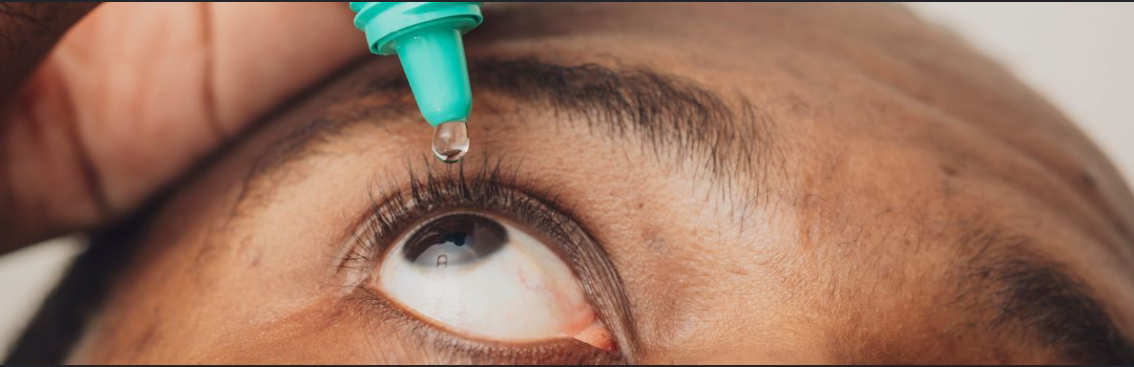
5. Vision Problems
Children rarely complain about poor eyesight because they assume everyone sees the world the way they do.
A child who can’t clearly see the classroom board may lose interest in lessons; another may move closer to the television without realising anything is wrong.
Signs that may suggest a vision problem include:
- Sitting very close to the television
- Squinting often
- Complaining of frequent headaches
- Rubbing their eyes regularly
- Struggling to read from the classroom board
- Holding books unusually close to their face
Taking your child for routine eye examinations can detect many vision problems before they begin to affect learning and development.
6. Developmental Delay
Developmental delay isn’t a condition by itself. Instead, it’s a term used when a child reaches important milestones later than expected in one or more areas of development.
These areas include:
- Movement and physical skills
- Speech and language
- Learning and thinking
- Social interaction
- Everyday activities like feeding or dressing
Some children experience delays in only one area, while others may have delays across several areas.
Developmental delay can have many possible causes, including hearing problems, genetic conditions, neurological disorders, premature birth, or sometimes no clear cause at all. Because the reasons vary, a proper medical assessment is important.
If you notice your child consistently missing milestones or losing skills they had previously learned, don’t wait to see if they’ll eventually catch up. Speaking with a doctor early enough can provide answers and timely support where needed.
Frequently Asked Questions
My child sits very close to the TV. Could they have a vision problem?
Possibly. Sitting too close to the television, squinting, rubbing the eyes often, or complaining of headaches can all be signs that a child is having difficulty seeing clearly. An eye examination can help determine whether your child needs glasses or further evaluation.
What should I do if I think my child has autism?
Start by booking an appointment with a healthcare professional, such as a paediatrician. They can assess your child’s development and refer you to specialists like a speech and language therapist, audiologist, or child psychologist if needed.
Can hearing problems affect my child’s speech?
Yes. Children learn to speak by listening to the sounds and words around them. If a child has difficulty hearing, it can affect how they develop speech and language. That’s why hearing tests are often recommended when there’s concern about delayed speech.
Does poor eye contact always mean a child has autism?
No. Some children are naturally shy or take longer to warm up to people. Poor eye contact on its own doesn’t mean a child has autism. However, if it’s accompanied by delayed speech, repetitive behaviours, difficulty interacting with others, or other developmental concerns, it’s worth discussing with a healthcare professional.
From the Desk of Koyo Doctors
What matters most is staying curious about your child’s growth and not being afraid to ask questions when something doesn’t feel quite right. A conversation with a healthcare professional can help you understand your child’s condition and figure out the next steps if needed.
Every child deserves the chance to learn and grow in the way that’s right for them. And as a parent, you don’t have to handle those concerns alone.