Introduction
If you are looking for natural herbs for high blood pressure, you will probably come across many familiar Nigerian plants and spices. But there is a big difference between a plant being traditionally used for high blood pressure and having research to show that it can actually lower blood pressure in people. The evidence also varies from one herb to another.
Here Are Five Herbs Used in Nigeria and Their Effect on Blood Pressure.
1. Zobo
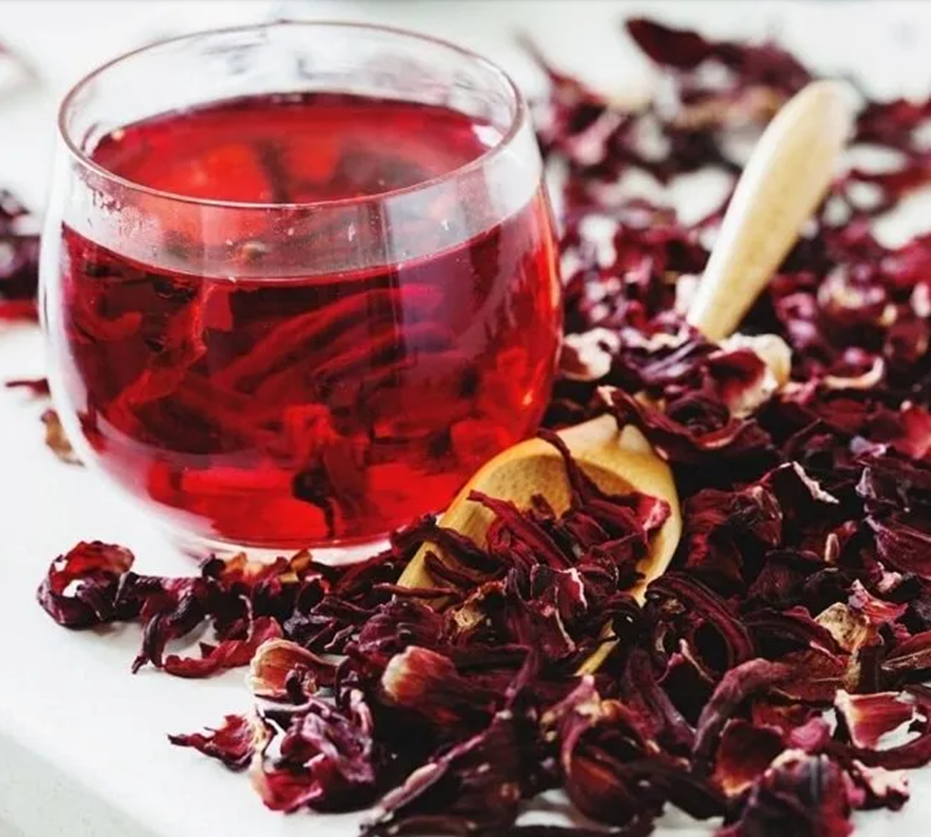
Zobo is probably the most familiar natural drink on this list. In Nigeria, zobo is commonly prepared as a cold drink and may be flavoured with ingredients such as ginger, cloves, pineapple or other fruits.
Beyond being a popular drink, zobo has been studied for its possible effect on high blood pressure.
Does zobo lower blood pressure?
There is some good human evidence that zobo can lower blood pressure, particularly in people with mild to moderate hypertension.
In a Nigerian clinical trial, 80 adults with newly diagnosed mild to moderate hypertension were given hibiscus (zobo) extract, hydrochlorothiazide or a placebo for four weeks. The group taking hibiscus had a significant reduction in systolic and diastolic blood pressure compared with the placebo group.
So, there is reasonable evidence that hibiscus may help lower blood pressure, but this does not mean that drinking any type or quantity of zobo will treat hypertension.
How is zobo used?
In Nigeria, zobo is usually prepared by boiling or steeping the dried hibiscus calyces in water. You can drink it hot or cold.
If you are drinking zobo regularly, be mindful of how much sugar you add. A heavily sweetened zobo drink is still a sugary drink, even though hibiscus itself may have some potential benefits.
Zobo may help support blood-pressure control, but it should not replace prescribed hypertension medication. The studies on hibiscus used specific preparations and amounts, so their results should not be taken as a recommendation to prepare a stronger homemade mixture.
2. Garlic
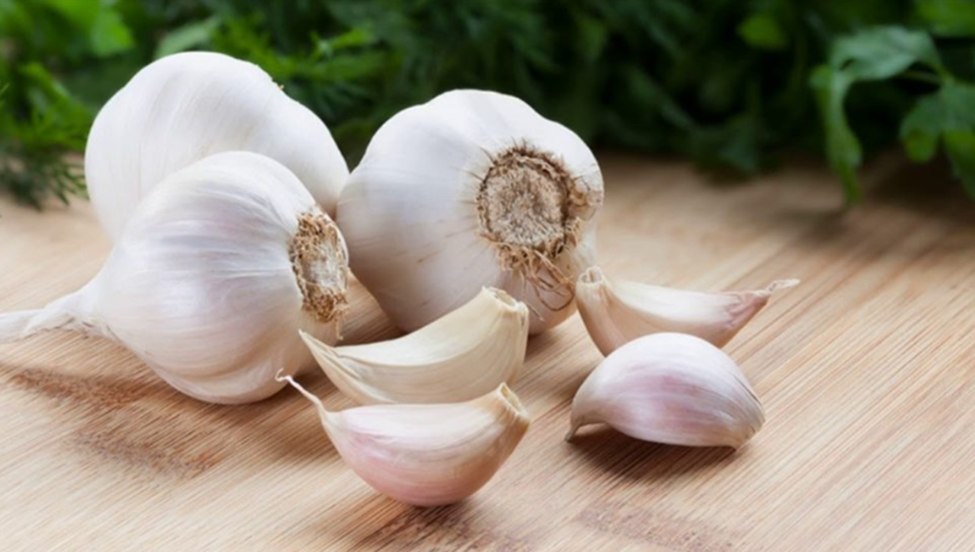
Garlic is less of a “special herbal remedy” in Nigeria because it is already a normal cooking ingredient. It is used in stews, soups, pepper soup, marinades, and many other dishes.
It has also been studied more extensively than many of the herbs people commonly recommend for high blood pressure.
Does garlic lower blood pressure?
Studies suggest that garlic may help lower blood pressure, especially in people who already have high blood pressure.
In one review of 12 studies involving 738 people with hypertension, researchers found that people who took garlic extracts saw their blood pressure drop by an average of about 8 points on the top number and 4 points on the bottom number, compared with those who took a placebo (a treatment with no active ingredient).
While that sounds promising, if you have high blood pressure, garlic should not replace medication prescribed by your doctor.
How can you use garlic?
The easiest way to include garlic in your diet is to use it in your normal cooking. There is no need to turn it into a strong homemade “blood pressure medicine.”
If you are considering garlic supplements, speak with a healthcare professional first. Concentrated garlic supplements can interact with some medicines and may increase the risk of bleeding in certain people.
Garlic has some of the better evidence among commonly used herbs for lowering blood pressure, but the research is mainly on concentrated garlic preparations. Eating garlic as part of a healthy diet is not the same as treating hypertension with garlic.
3. Ginger
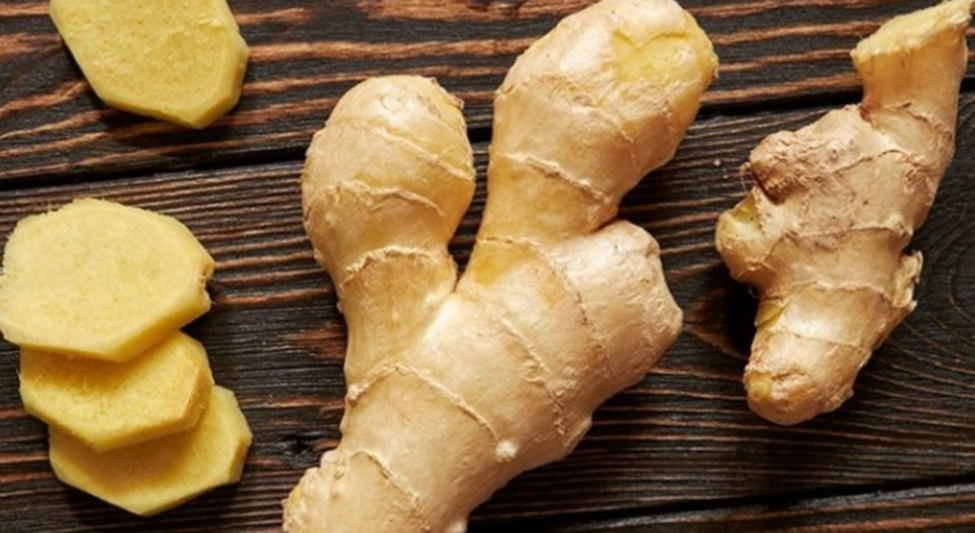
Ginger is common in Nigerian kitchens. You can find it in pepper soup, tea, zobo, and homemade drinks. Some people also take it because they believe it can help lower their blood pressure. But does it actually work?
Does ginger lower blood pressure?
A 2026 review of 12 studies looked at adults who took ginger supplements. On average, their systolic blood pressure (the top number in a BP reading) dropped by about 5 points, while their diastolic blood pressure (the bottom number) dropped by about 2 points.
To put that in perspective, someone whose blood pressure is 150/95 mmHg might see a reduction of that size to around 145/93 mmHg, if they experienced the average effect. That would be a small improvement.
There is a catch, though. The researchers said the evidence was of low certainty, meaning the results are not yet reliable enough to be sure that ginger will lower everyone’s blood pressure by this amount.
How can you use ginger?
You can continue adding fresh ginger to your meals, tea or zobo if you enjoy it. However, there is no proven amount of ginger you can take at home to manage high blood pressure.
Ginger may offer some benefit, but it should not be your main way of managing high blood pressure. If you have hypertension, keep taking any medication prescribed by your doctor and monitor your blood pressure regularly. Do not increase your ginger intake or start taking concentrated supplements in the hope of getting a bigger reduction.
4. Moringa
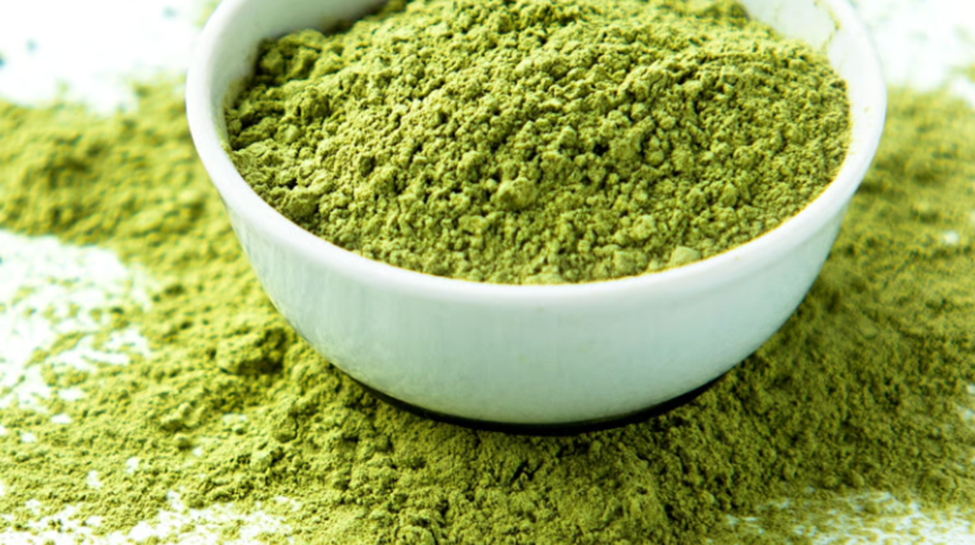
Moringa is familiar to many Nigerians. Its leaves can be added to food, dried and brewed as tea, or ground into powder. It is also sold as a supplement and often promoted online as a natural way to lower high blood pressure.
But how much of this claim is supported by research?
Does moringa lower blood pressure?
Some studies suggest that moringa may help lower blood pressure, but researchers are still trying to establish how reliable this effect is.
A 2026 review examined eight clinical trials involving moringa. When the researchers combined the results, they found that people who took moringa had, on average, a 6-point reduction in the top blood pressure number and a 7-point reduction in the bottom number, compared with the control groups.
These findings are encouraging, but it is also worth remembering that moringa leaves added to a meal are not necessarily equivalent to moringa powders, extracts or supplements used in research.
How can you use moringa?
You can include moringa leaves in your meals or use them in other ways that are part of your normal diet. However, there is no established home dose of moringa that you can rely on to treat high blood pressure.
5. Bitter Leaf
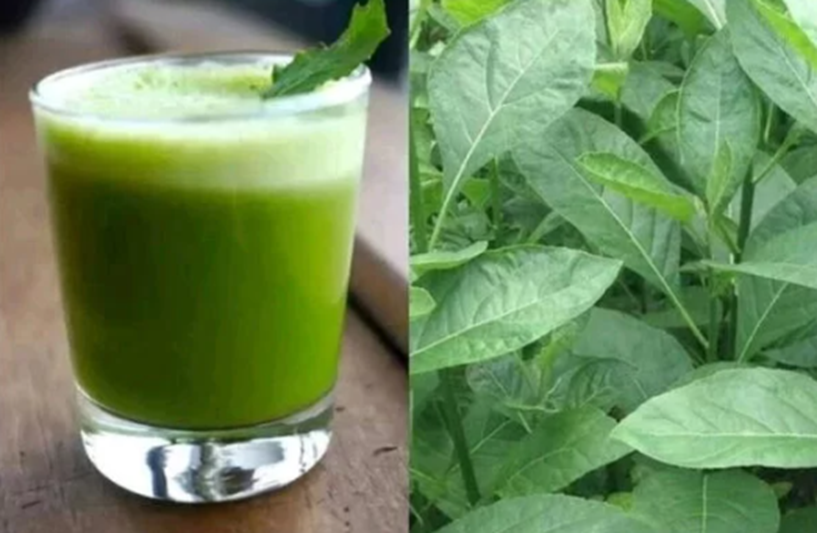
Bitter leaf is a familiar part of Nigerian cooking, especially in soups. Beyond its use as food, some people squeeze the leaves to make a bitter juice that they believe can help manage high blood pressure.
But is there enough research to support this?
Can bitter leaf lower blood pressure?
In Nigeria, bitter leaf has long been used in traditional remedies for different health concerns, including blood-related problems and high blood pressure. Some people drink the juice extracted from the leaves, while others use it alongside other medicinal plants as part of their traditional healthcare practices.
Researchers have also investigated bitter leaf for its possible effect on blood pressure. A 2024 study found that bitter leaf extracts lowered blood pressure in mice, suggesting that the plant contains compounds worth studying further.
However, there’s still not enough research in humans to establish how much bitter leaf may affect blood pressure, how much a person would need to take, or whether drinking the juice produces the same effects seen in animal studies.
This does not take away from bitter leaf’s long history of traditional use, but while many people continue to use it for different health concerns, its effectiveness as a treatment for high blood pressure has not yet been firmly established by human studies.
How is bitter leaf used?
Bitter leaf is commonly eaten in Nigerian meals, especially bitter leaf soup. It is also used in traditional remedies, where the fresh leaves are washed and squeezed to extract their juice. The resulting bitter liquid, often called bitter leaf water, is then consumed.
Others boil the leaves in water to make a herbal drink. However, the preparation methods and amounts consumed vary, and there is no established dosage of bitter leaf water for managing high blood pressure.
If you enjoy bitter leaf in your meals, you can continue eating it as part of a varied diet. If you intend to drink the juice or boiled extract specifically to manage your blood pressure, speak with your healthcare provider first, and do not use it as a replacement for prescribed medication.
From the Desk of Koyo Doctors
It is understandable to want a natural way to manage your health, but what works for one person may not be suitable for another.
Beyond the herbs you choose, pay attention to your daily habits. How much salt goes into your food? Do you get some physical activity during the week? When last did you check your blood pressure? These little things matter, even when you feel perfectly fine.
If you have high blood pressure, make regular BP checks part of your routine. Take your prescribed medication as directed, and speak with your doctor before adding herbal remedies to your treatment. Some herbs can interact with your medication, even when they are prepared at home.
You do not have to wait until you feel unwell before taking your blood pressure seriously. The earlier you understand your numbers and take steps to manage them, the better your chances of protecting your health in the long run.