
Introduction
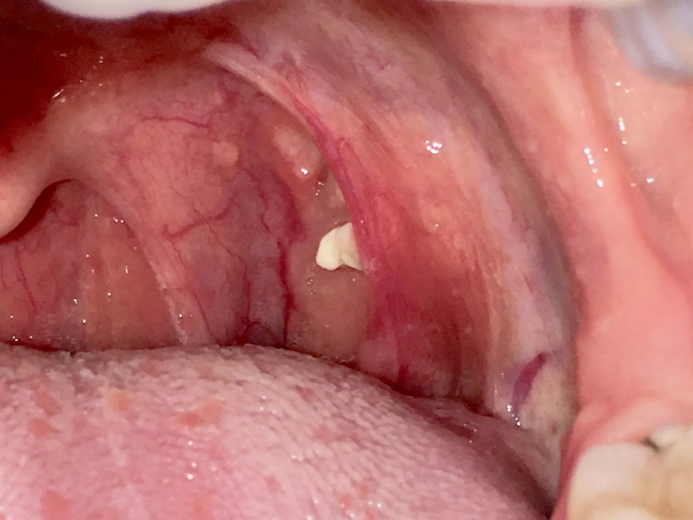
Have you ever brushed your teeth, rinsed your mouth, and still noticed that your breath doesn’t smell as fresh as it should? Or perhaps you’ve coughed up a tiny, white or yellow lump that smells really bad. Strange as it may seem, these could be tonsil stones.
They’re usually harmless, but they can cause bad breath and the uncomfortable feeling that something is stuck at the back of your throat.
In this article, we’ll cover:
- What Causes Tonsil Stones?
- How You Can Get Rid of Tonsil Stones
What Causes Tonsil Stones?
Your tonsils are the two small lumps of tissue at the back of your throat. They have tiny folds and pockets where bits of food, mucus, dead cells and bacteria can get trapped. When this material builds up and hardens over time, it can form what we call tonsil stones.
You might be wondering how this happens, especially if you brush your teeth every morning and night. The truth is that tonsil stones can develop even when you have good oral hygiene. A few things can make them more likely.
Food particles and other debris trapped in the tonsils
Think about what happens after a meal. Tiny food particles, mucus, and dead cells can get caught in the small pockets of your tonsils. If they aren’t cleared away, they can gradually collect and harden as minerals in your saliva build up around them.
Over time, these deposits can become small lumps. Some are so tiny that you may not notice them until you cough one up or spot it when looking at the back of your throat.
Deep pockets in the tonsils
Not everyone’s tonsils have the same shape. Some people naturally have deeper folds or pockets, which make it easier for food particles and other debris to get trapped.
If your tonsils have these deeper pockets, you may be more likely to develop tonsil stones, even if you take good care of your teeth and mouth. This is one reason some people experience them repeatedly while others never seem to have them.
Repeated tonsil infections
Have you had tonsillitis before? This is an infection or inflammation of the tonsils that can cause a sore throat, swollen tonsils, and sometimes a fever.
Repeated episodes may change the surface of the tonsils, leaving the pockets more pronounced and making it easier for debris to collect. This can increase the chances of developing tonsil stones.
However, having tonsil stones doesn’t automatically mean you have an infection. The two conditions are different, and tonsil stones alone don’t usually require antibiotics.
Bacteria in the mouth
Your mouth naturally contains bacteria. When these bacteria mix with trapped food particles, mucus, and dead cells in the tonsil pockets, they contribute to the buildup that forms tonsil stones.
Some bacteria also produce foul-smelling compounds as they break down this material. This is one reason tonsil stones can cause bad breath that seems to persist even after brushing your teeth or using mouthwash.
How Can I Get Rid of Tonsil Stones?
Before you start trying different remedies, know that small tonsil stones often come out on their own and may not need any treatment.
If a stone is bothering you, there are a few simple things you can try at home. The important thing is to avoid anything that could injure your tonsils.
1. Gargle with warm salt water
Gargling with warm salt water may help loosen debris around your tonsils and soothe mild throat irritation. It’s a simple option you can try at home using ingredients you probably already have in your kitchen.
Here’s how to prepare it:
- Add half a teaspoon of salt to a glass of warm water.
- Stir until the salt dissolves.
- Gargle gently, then spit the water out. Don’t swallow it.
The water should be comfortably warm, not hot enough to burn your mouth or throat. You can repeat this as needed, but don’t gargle so forcefully that your throat becomes uncomfortable.
Keep in mind that salt water may help with loose debris, but it won’t necessarily remove every tonsil stone.
2. Maintain good oral hygiene
If you brush your teeth regularly but still experience bad breath, you might be wondering whether you’re doing something wrong. Not necessarily. However, keeping your mouth clean can help reduce the food debris and bacteria that contribute to tonsil stones.
Try to make these habits part of your daily routine:
- Brush your teeth twice a day: Use fluoride toothpaste and brush gently.
- Clean your tongue: Bacteria can collect on your tongue, contributing to bad breath.
- Floss or clean between your teeth: This helps remove food particles your toothbrush may miss.
- Rinse your mouth after meals: This can help clear away loose food debris.
These habits won’t guarantee that you never develop tonsil stones, especially if you naturally have deep pockets in your tonsils. However, they can help keep your mouth cleaner and make bad breath easier to manage.
3. Drink enough water
Have you noticed that your mouth feels dry when you’ve been out in the sun, spent hours talking, or gone a long time without drinking water? When your mouth is dry, you may produce less saliva.
Saliva helps keep your mouth moist and washes away some food particles and bacteria. Drinking water regularly throughout the day, especially in the hot Nigerian weather, helps maintain moisture in your mouth.
Water won’t dissolve a tonsil stone that’s already formed, but staying hydrated supports your normal saliva production and helps prevent dry mouth, which can contribute to bad breath.
4. Let small tonsil stones come out naturally
Sometimes, a tonsil stone will come loose when you cough, swallow, or gargle. You might even notice one in your mouth without having done anything to remove it.
If the stone isn’t causing pain or other problems, you usually don’t need to force it out. Gentle gargling may help loosen a stone that’s already coming free.
Try not to keep touching the back of your throat to check whether it’s still there. Your tonsils are delicate, and repeated poking can irritate the tissue.
5. See a doctor if the stone is troublesome
What if you’ve tried gentle gargling, but the stone is still there? Or perhaps the stones keep coming back, and your bad breath is becoming difficult to manage.
That’s a good time to speak with a doctor. They can examine your tonsils to confirm that the lumps are actually tonsil stones and check whether another condition could be causing your symptoms.
Depending on what they find, a doctor may be able to remove a troublesome stone safely or discuss other treatment options if the stones are persistent, painful, or keep returning. Surgery to remove the tonsils is not usually necessary for ordinary tonsil stones, but it may be considered in selected cases where symptoms are severe or recurrent.
What you should never do when removing tonsil stones
It’s tempting to reach for a cotton bud or use whatever small object is nearby when you can see a stone at the back of your throat. However, don’t dig into your tonsils with toothpicks, fingernails, pen covers, or other sharp objects.
Your tonsils contain delicate tissue and blood vessels. Poking or pressing too hard can cause irritation. High-pressure water jets can also damage the tissue.
If a stone won’t come out with gentle measures, leave it alone and seek medical advice rather than forcing it out. If you experience significant bleeding, severe pain or swelling, get medical attention. Seek urgent care if you have difficulty breathing or cannot swallow your saliva.
Key Takeaways
- Tonsil stones are usually harmless. They form when food particles, bacteria, mucus, and dead cells collect and harden in the pockets of your tonsils.
- Bad breath is a common symptom. You may also notice small white or yellow lumps or the feeling that something is stuck in your throat.
- Good oral hygiene can help. Brushing twice daily, cleaning your tongue, flossing, and drinking enough water can help reduce debris and manage bad breath.
- Small tonsil stones often come out on their own. Gentle warm saltwater gargling may help loosen them, but not every stone needs treatment.
- Avoid digging stones out yourself. Toothpicks, fingernails, and forceful scraping can injure your tonsils and cause bleeding.
- Know when to see a doctor. Seek medical advice if your stones keep returning or are accompanied by difficulty swallowing.