
INTRODUCTION
Children may be physically weak and prone to injuries, but their immune system doesn’t have to be. While it is normal for children to catch the occasional cold or fever as they grow, some seem to fall ill far too often, which can leave parents constantly worried.
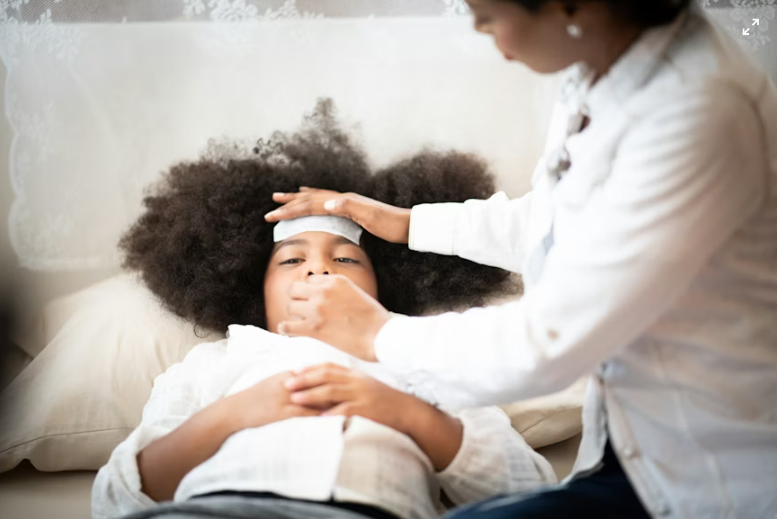
Many mothers in Nigeria know this cycle well… Your child just recovered from the flu, returned to school, and started playing again. Then, out of nowhere, the teacher calls to say they are running a temperature in class. Suddenly, you are adjusting your whole day and preparing for another trip to the hospital.
But the truth is, not every health concern needs an immediate hospital visit. Sometimes, speaking with a doctor online first can help you understand your child’s symptoms, know what care you can give at home, and then decide if a physical visit is really necessary. In Nigeria, that kind of support can save you stress, time, and money.
It also helps to understand that children are still building their immune system in the early years, which is why they may fall sick more often than adults. But frequent illness does not have to become the normal family routine. With proper care and healthy habits, their body can grow stronger and better able to fight common infections.
So, if your child seems to be falling sick often, this guide will walk you through practical ways to strengthen their immunity and support their health.
In this article, you’ll learn:
- Reasons why your child may be falling sick often
- How to boost your child’s immune system
- What to avoid if your child gets sick often
Reasons Why Your Child May Be Falling Sick Often
It is common for children to experience several illnesses close together, especially when they spend time in places like crèche, daycare, nursery school, or primary school, where children share crowded spaces during play. Young children are still building their immune systems, so they are naturally more likely to pick up coughs, colds, fever, stomach bugs, and other common infections.
These environments also expose them to many new germs at once. When a child’s body is already fighting one illness, it may be temporarily less effective at defending against the next one going around. This is why some parents feel like their child has just recovered, only to fall sick again a week later.
In Nigeria, where the weather changes can be harsh, this cycle can feel even more common. Still, frequent sickness may not really mean there’s an underlying problem. Sometimes, everyday habits may be playing a role.
- Exposure at School or Daycare
Children interact closely with others at school, daycare, Sunday school classes, and playgrounds. They share toys, books, desks, snacks, and surfaces, which makes it easier for germs to spread quickly. If one child comes in with a cold or infection, others may catch it too.
- Poor Sleep Habits
Sleep plays a major role in keeping the immune system strong. Children who sleep too late, wake often at night, or do not get enough rest may be more likely to fall sick. Many school-age children in Nigeria wake very early for school runs, so a late bedtime can leave them overtired regularly.
- Unbalanced Nutrition
A child’s body needs the right nutrients to fight infections well. Diets high in snacks, sugary drinks, and heavily processed foods but low in fruits, vegetables, proteins, and healthy staples can weaken immunity over time. Skipping meals can also affect their energy and recovery.
- Stress or Poor Routine
Children can experience stress too. Changes at home, starting a new school, family tension, poor sleep schedules, or an inconsistent daily routine can affect their overall well-being. When children are constantly unsettled, their bodies may struggle more with illness.
- Poor Hand Hygiene
Children touch everything, then touch their mouths. Without regular handwashing, germs spread easily. This is especially common after using the toilet, playing outside, or returning home from school. When you teach them simple handwashing habits with soap and water, it can make a difference.
How You Can Boost Your Child’s Immune System
The good news is that supporting your child’s immune system does not really require anything fancy. In many cases, it comes down to simple habits done consistently, which can help their body grow stronger to fight common infections. These habits include:
- Prioritising Nutritious Meals
Food is one of the biggest building blocks of a healthy immune system. Children need vitamins, minerals, and energy-giving nutrients to stay well. Try to include fruits, vegetables, protein, whole grains, and healthy fats in their meals.
This can look like: eggs for breakfast, beans and rice for lunch, fish with swallow, yams, or rice for dinner, plus fruits like oranges, bananas, pawpaw, or watermelon as snacks. It does not have to be expensive; just a consistent and balanced diet.
- Making Sleep Non-Negotiable
Sleep is when the body repairs itself and strengthens its natural defenses. So, if your child does not get enough rest, they may be more likely to fall sick often.
Toddlers usually need more sleep than older children, and school-age children still need long, quality sleep each night. Try to create an earlier bedtime for your child, and ensure to keep sleep hours consistent, especially during school terms.
- Keeping Them Active Every Day
Children are meant to move. Running, jumping, cycling, dancing, and outdoor play all support overall health and can help strengthen the immune system.
You do not need a gym or an exercise plan. Just a simple playtime, like football in the compound, skipping rope, dancing at home, or walking short distances, can go a long way.
- Encouraging Proper Handwashing
One of the easiest ways to reduce frequent illness is good hand hygiene. Children touch many surfaces and then touch their mouths or food without thinking. Teach them to wash their hands properly with soap and water, particularly before meals, after using the toilet, after school, and after playing outside.
- Keeping Vaccinations Up to Date
Vaccines help protect children from several preventable illnesses that can become serious. Keeping your child’s immunisations up to date gives their immune system a safer way to build protection. If you are unsure what vaccines your child should have at their age, you can speak with a Koyo doctor to guide you
- Supporting Gut Health
A lot of immune activity is linked to the gut, so your child’s digestive health matters too. Give them fibre-rich foods, fruits, vegetables, beans, oats, and other wholesome foods regularly. For some children, yogurt may also be a helpful addition if they tolerate dairy well.
- Reducing Sugar and Ultra-Processed Foods
While treats are fine occasionally, they should not become the daily norm. Instead of constant candy, you can try replacing it with fruit, groundnuts where age-appropriate, boiled corn, yogurt, or homemade options.
What To Avoid If Your Child Gets Sick Often
When your child keeps falling sick, it is natural to only focus on medicines and treatment. But long-term health care is also affected by everyday choices that many parents may overlook. Inasmuch as there are things to do to boost your child’s health, there are also certain habits to avoid. Some of these habits include:
- Overdressing During Fever
Some mothers in Nigeria wrap their children in many layers of wrappers when they have a fever, hoping they can “sweat it out.” Instead, this can make them more uncomfortable and raise their body temperature further. It is better to use light clothing and seek proper medical guidance.
- Sending Them Back Too Soon
Once a child looks active again, it can be tempting to send them back to school immediately. But returning too soon without enough rest may slow recovery and expose them to fresh germs while their body is still weak.
- Using Antibiotics Without Proper Advice
Not every fever or cold needs antibiotics. Using them without a doctor’s advice can be ineffective and may cause other problems. It is better to know the actual cause of the illness first.
- Ignoring Indoor Air Quality
Poor ventilation, dust buildup, damp spaces, and smoke can worsen coughs or allergies. It is better to keep rooms clean, airy, and comfortable.
- Missing Follow-Up Care
If your doctor recommends monitoring symptoms, try not to skip it because the child looks better. Some issues need proper follow-up to fully resolve.
- Comparing Your Child to Others
Some children naturally catch illnesses more often than others in certain stages of growth. Comparing them to siblings or neighbours will only make you worry more without solving the issue.
From the Desk of Koyo Doctors
Most children will fall sick from time to time, especially in their early years when their immune system is still learning how to respond to new infections. In many cases, this is a normal part of growing up and not something to panic about.
However, when illnesses start happening too often, it is worth paying closer attention to patterns, not just individual episodes. Things like how quickly your child recovers, how often symptoms return, their appetite, energy levels, and growth can provide important clues about their overall health.
As doctors, we often remind parents that good immunity is built over time, with help from consistent nutrition, proper sleep, good hygiene, vaccinations, and a stable home routine.
That said, not every concern needs to wait until a hospital visit. If you are unsure about your child’s symptoms, you can still get early medical guidance from a doctor at Koyo, which can help you avoid unnecessary stress and make better decisions at home. And when needed, a physical examination will be recommended.